No-Method in Meditation

No-Method in Meditation

No-Method in Meditation

Episode 20
58:34

Episode 20 of the Nature of Meditation podcast explores No-Method in Meditation.


I chose No-Method in Meditation as a topic for this podcast because it is the way I meditate, learnt in the Dharma Drum Mountain, Chan Buddhist tradition. There are many different names for this no-method way of meditating. In the Dharma Drum Mountain tradition, ‘method of no-method’ meditation or Mozhao in Chinese language, refers to ‘silent Illumination’. Silent illumination is also called the ‘method of no-method’ because we’re not directing our attention to any object of mind. We’re ‘just sitting’ in open awareness to experience true reality just as it is. The no-method meditation experience is to be fully here now, in the present moment, with your body, heart and mind in totally clear and bright conscious awareness.


Nature of Meditation monthly podcast explores the nature of silent meditation. www.nature-of-meditation.com

Produced by Ayla Michelle at The Therapy Garden, a BAMBA and Insight Timer registered mindfulness and meditation teacher. www.thetherapy.garden insighttimer.com/aylamichelledemir

Meditate and Listen free on Apple Podcasts, Insight Timer, SoundCloud, Spotify, YouTube.

Donate: paypal.me/aylamichelledemir

Episode Transcript:

Hello. My name is Michelle, and welcome to episode 20 on no method in meditation. Let's start with a five minute silent meditation to help ourselves become more present and aware of our direct embodied experience. Allow yourself to relax as best you can and just simply being aware of your present moment experience just as it is. Just sitting now for five minutes. So feeling more relaxed, more calm, more present, More aware of our present moment embodied experience. I chose no method in meditation as a topic for this podcast because no method meditation is the way I personally meditate. A way I learned in the Dharma Drum Mountain tradition of Chan Buddhism. And there are many different names for the method of no method, way of meditating. And I will mention a couple of these, a few of these. I'll mention the three best known other names for the method of no method. So in the Dharmadra Mountain tradition that I practice in with the London Chan meditation group, method of no method or mozhao, the name for it in the Chinese language refers to what we call silent illumination. Silent illumination is also called method of no method because we're not directing our attention to any object of mind. We're just sitting in open awareness, meditating in open awareness to experience true reality just as it is without any judgment and also without any technique or method. So no method meditation experience is to be fully present in the here and now with your body, heart, mind in totally clear conscious awareness. Experience is grounded within the body itself, and we come to know our experience and the world, our perception, sensorial perception of the world through our body in the here and now. And if you can sit still comfortably and peacefully with a stable posture, untroubled, undisturbed and undistracted, free of your anxiety and neuroses and open your conscious awareness to enter silent meditation, then that is silent illumination or we can call it enlightenment. Zooming in for a moment on this term silent illumination, We can understand the two words, the two component parts of this phrase. Silent and illumination, being silent and being luminous or you could say being enlightened, So in silent illumination, silence here in this way of meditating means letting go of self centered thoughts, feelings and attachments. So silent here refers to a silent mind that is no longer thinking about itself. The term illumination here in this no method way of meditating represents a clear, bright and luminous conscious awareness of the present moment experience. So because the mind is clear or silent, There is no objects, chatter or clutter in the mind, and therefore it is spacious, clear, bright, and acutely aware and conscious. So coming back to the method of no method or just sitting, this way of meditation originates in Chan Buddhism where the practitioner or more correctly, the meditator rests the mind in total open awareness without focusing on a specific object such as the breath or sensations of the body as I have often explained. So no method meditation or silent illumination in the Chan Buddhist tradition was developed centuries later in Japan and became Zen. Zen is the Japanese word for the Chinese word Chan. They're the same words. One is older, the original Chinese word Chan, and one is much younger, the more modern Japanese word Zen. So what's referred to as mozhao, the Chinese word for silent illumination, In Japan is referred to chikantaza or just sitting in zenberism. And in this way of meditating, there's no goal and nothing to achieve or do. You don't try to set up or make or create or fix. You don't try to change, adjust, transform. You're not trying to achieve or attain anything. And there's no specific focus. As I said, you don't have to anchor your mind on your breathing or bodily sensations or on counting or repeating words or on a mantra. You simply find a comfortable posture where you can just sit with a stable upright relaxed spine and nothing else. My regular listening listeners will know from or may recall from previous episodes that I often emphasize relaxation and grounding prior to the opening up and letting go of one's mind. But being exactly as you are in the moment and not trying to achieve anything is more correct. But, of course, we live in a modern, secularized, busy society and I appreciate some time is needed to allow the mind, heart, and body to relax, settle, calm down, and gradually rest and stop. So in this way of no method meditation, you just sit still and put aside thinking, daydreaming, fantasizing, selfing and just rest in the simple awareness of just sitting. Allowing thoughts, sensations, feelings, fantasies, daydreams, sounds, other perceptions to freely come and go without judging anything, without following, reacting or fighting or attaching to anything. We drop the controller or the controlling part of the mind, and we can refer to that as the superego or the ego. More correctly, it's actually the superego that is wanting to manage, regulate, and control the mind and the nervous system. So perhaps I'll talk about the superego in meditation in the next episode to help us understand what's holding on to the mind and how we might be able to let go. So dropping the superego or dropping the controller means that whenever we notice the mind trying to focus or judge or criticize, adjust or fix, direct or control our attention. And I think it's more than fair to say that we all notice our mind judging, assessing, criticizing our own meditation practice. Then as soon as we notice our superego activity, the superego in action, judging, criticizing, directing, controlling. As soon as we notice that, we drop that superego activity and relax into an unforced, effortless, open, nonjudgmental presence to everything just as it is without judgment, discrimination, or trying to get anything right. So paradoxing paradoxically, allowing yourself to be momentarily distracted makes you undistracted. If you try to stop yourself from being distracted, you will become more distracted. So we're trying to allow the mind to relax, Relax the superego. Relax the ego. Relax the id. Relax on all levels of being, conscious and unconscious. So silent illumination or just sitting then and having no method is a remedy for our tendency to be cognitive heavy with the mind dominating the psyche. Instead, we're dismantling the overlay of the superego, discursive, judgmental mental activity, the overlay of the ego's mindless rumination and fantasizing. We're dismantling the overlay of those layers of mind upon our sensorial embodied experience. The overlay of those higher superficial layers of mind on our pure, clear, empty conscious awareness. So no mode method meditation is a very basic way of meditating in the simplest possible human experience. And I feel the term human is important here. Because I think the word can help us disarm the superego, judgments, and criticism. So sitting in human experience with no technique, no method, no elaborate rituals, no expectations, agendas, and no other mental clutter. A free and open mind entirely in the present moment. So the realization of silent illumination is that true conscious awareness requires no special technique or effort. We cannot make ourselves be conscious or aware. That is not in our power. Consciousness is far beyond the individual human being. So the realization is that true awareness without effort, just sitting, and just observing and experiencing pure consciousness. And there's a relief from striving and judging and having to get it right. The child in you needing to please the demands of the superego, the standards, the high standards of the superego. There's a relief when we stop worrying about getting it right or chasing a special meditation experience. A relief that reduces our mental and bodily tension. And when we allow our thoughts and emotions to freely come and go without concern, judgment, criticism, then they naturally quieten, and one's internal internal chatter and tension gradually diminish. So let's do some sitting together and just being consciously aware of our momentary experience. There's no technique or mandatory poses. Being comfortable and alert are are helpful, but accepting the state of consciousness and the state of being that you yourself are actually in right now. Accepting yourself as you are is probably more important than trying to be comfortable or trying to be alert. So allowing yourself or gifting yourself the pleasure of relaxing as best as you can, considering your current state of consciousness and state of being at this moment, today, here and now, at this moment in your life. And you don't need to manipulate your breathing or change your breathing or adjust or fix it in any particular way. Just observing how you are now. So relaxing as best you can. Nothing to do, nowhere to go, nothing to achieve, and maybe noticing if you're able to allow yourself to just be. So becoming more aware of your present moment embodied experience. Aware of any tensions in your body and in your heart and mind. And as best as you can, relaxing into those tensions, soothing them, being with them, being present with yourself just as you are. Becoming more present, more conscious and aware of your embodied experience, of your sensations and perceptions. Aware of your emotions, your feelings, and any needs you may have. Your conscious awareness touching any and every aspect of your being. Conscious awareness being entirely and fully open and free. And this is also called in modern secular mindfulness, choiceless awareness. So we have abandoned judgment and allowing the mind and heart to just be. Naturally, your mind may wander, and that's perfectly normal and natural. And when you notice that your mind is drifting in daydreams or distracted by thoughts or fantasies or tensions in the body, Simply acknowledge the thought, the daydream, the fantasy, the worry, the anxiety, the tension, the pain. And continue just sitting. Just sitting with the thought, the feeling, the daydream, the sensation, the tension, the pain. Just sitting with it and consciously knowing in full awareness that it is here now in you as a part of you that you're experiencing here and now. Noticing what is happening in reality in this moment. So mind wandering and daydreaming here are not special and are no different to breathing, sensing the body, are no different to relaxing relaxing and stilling the body. So there's a no nondiscrimination and equanimity that we bring to just sitting. So enjoying being consciously aware of our present moment experience just as it is, without needing to change anything or get anything right. Okay. Coming gradually towards the end of this episode. So I hope your experience of no method meditation was an easy and enjoyable experience. And integrating this uncomplicated no method meditation approach into your daily life It's easy to integrate and you can use this no method just sitting meditation on the bus, on the train, in the car, just sitting on a chair at home or in the park, on the beach, on the mountain. And if you're experiencing anxiety or tension or pain, Paradoxically, yourself to sit with the tension, the anxiety, the pain helps it to diminish because there's no second arrow. The first arrow, the pain, the tension, the anxiety is there, and that's enough already. We don't need to add extra drama, extra neuroses, extra tension, extra work, extra effort. We don't need to add anything. Just be aware of it there, here is enough. So coming to the close, I hope you found some of this no method meditation approach helpful and insightful in some way. Thank you for listening and of course you're always welcome to post comments and send me a message if you have any questions and you can make a donation to my PayPal account and the link is with the information on the episode. So it was actually just moments ago in the improvising of this recording that I decided to make the next topic the superego in meditation and I look forward to creating that episode for you in the coming days and weeks. So enjoy meeting you again next time. Bye for now.

Meet your host:

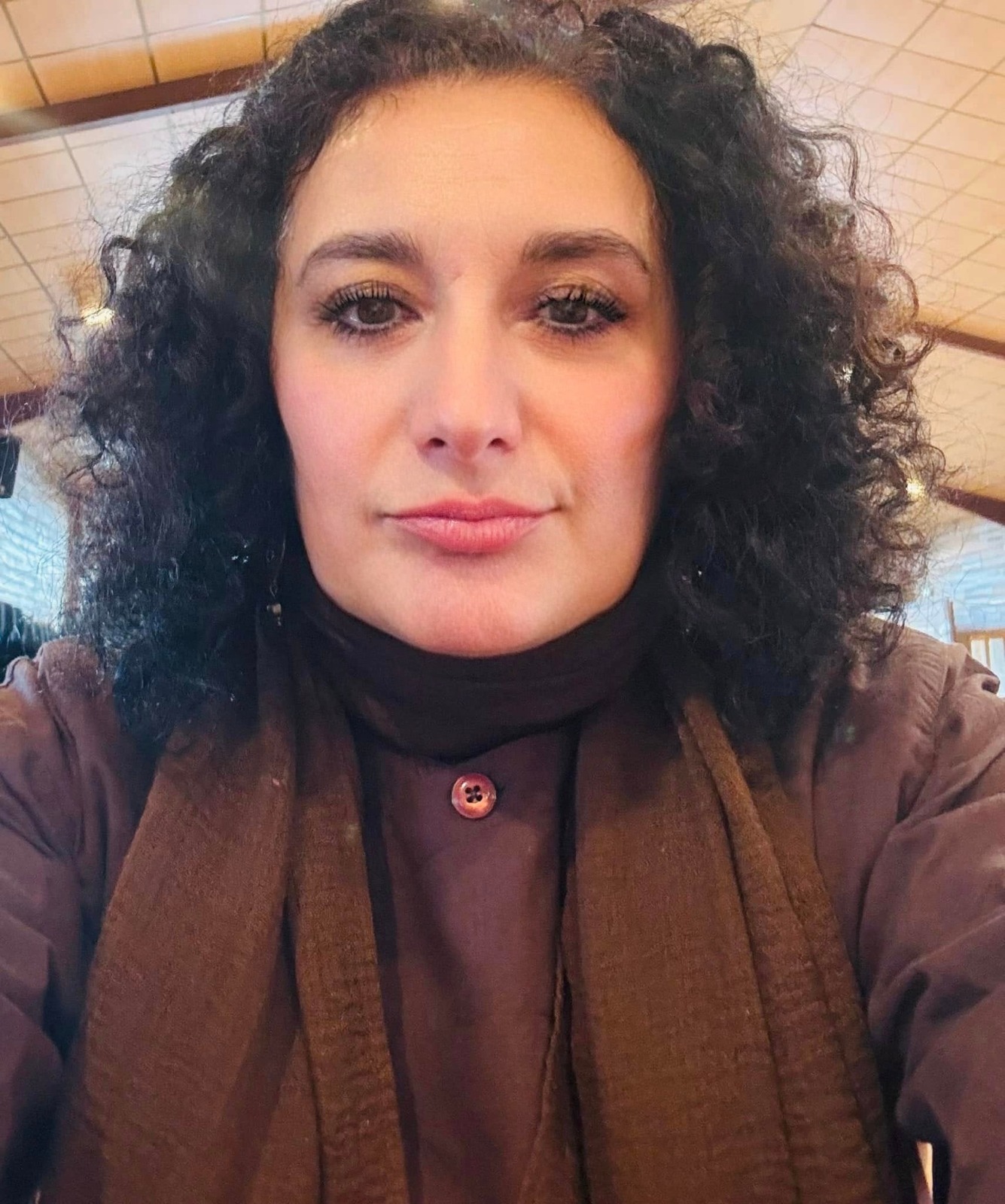
Ayla Michelle Demir

Host
Type at least 1 character to search